
Driving or riding in poor weather conditions presents unique challenges. Rain, fog, snow, and ice can quickly turn an everyday journey into a dangerous situation, whether you’re behind the wheel of a car, van, lorry or riding a motorcycle. However, with the right precautions and mindset, you can safely navigate through these less-than-ideal conditions. Here are some essential tips for both drivers and riders to stay safe when the weather takes a turn for the worse.
Tips for Driving or Riding in Poor Weather
Posted on Thursday 12th September 2024 in All Road Users

1. Slow Down and Increase Following Distance
Whether it’s raining heavily or you’re riding through fog, your stopping distance increases significantly in poor weather. Slippery roads reduce traction, making it harder to stop quickly or maintain control of your vehicle or motorcycle. Reduce your speed and give yourself more space between your vehicle and the one in front of you. For drivers, aim for at least a 4-6 second gap, and for motorcyclists, consider extending this gap even further for added safety.
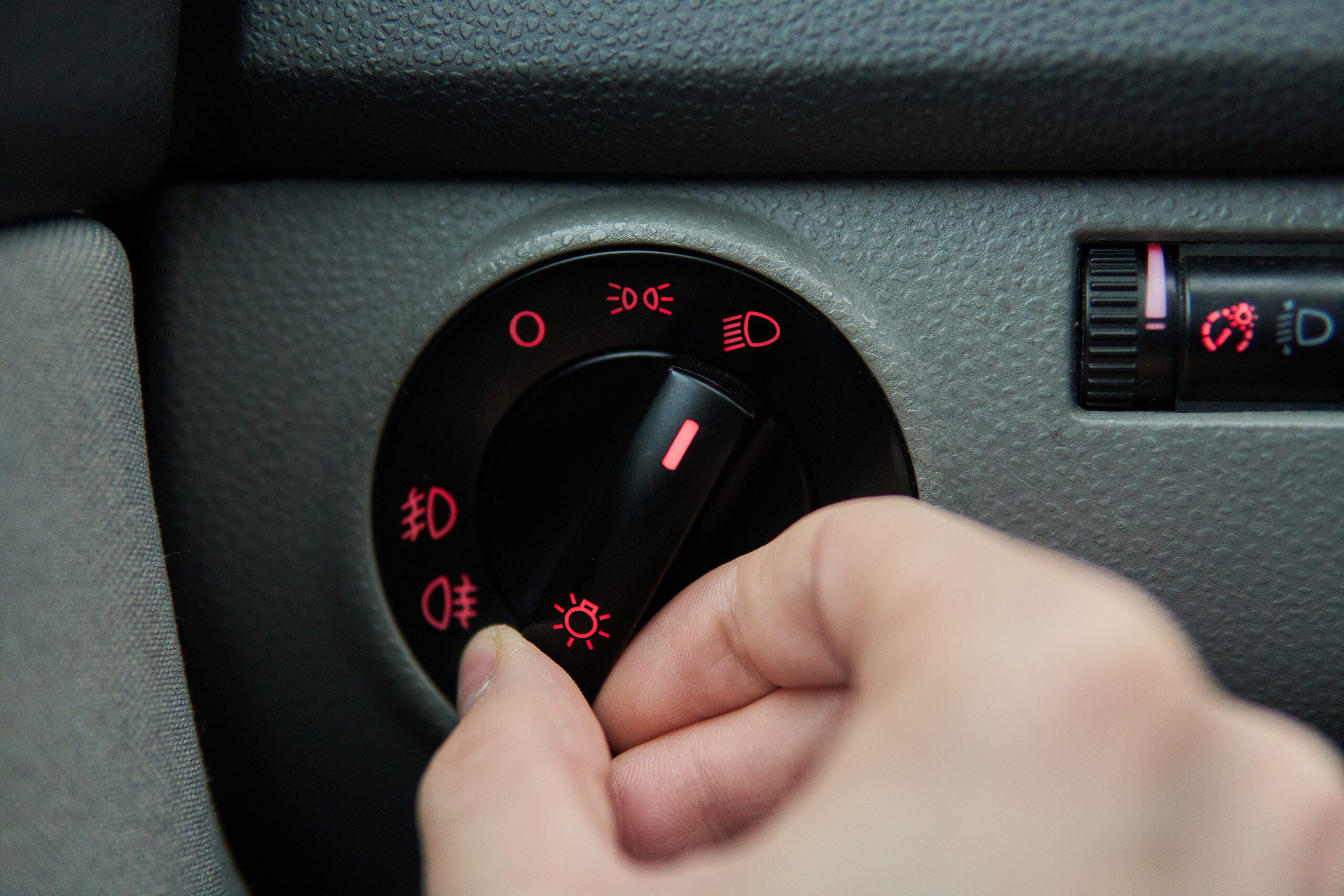
2. Keep Your Lights On
Visibility can be severely impacted by bad weather. In fog, rain, or snow, turning on your headlights helps others see you more easily. Motorcyclists should always use their dipped headlights during these conditions. For drivers, avoid using high beams in fog or heavy snow, as the light can reflect back, reducing your visibility even more. Also, ensure your taillights are functioning properly so vehicles behind you can see you.
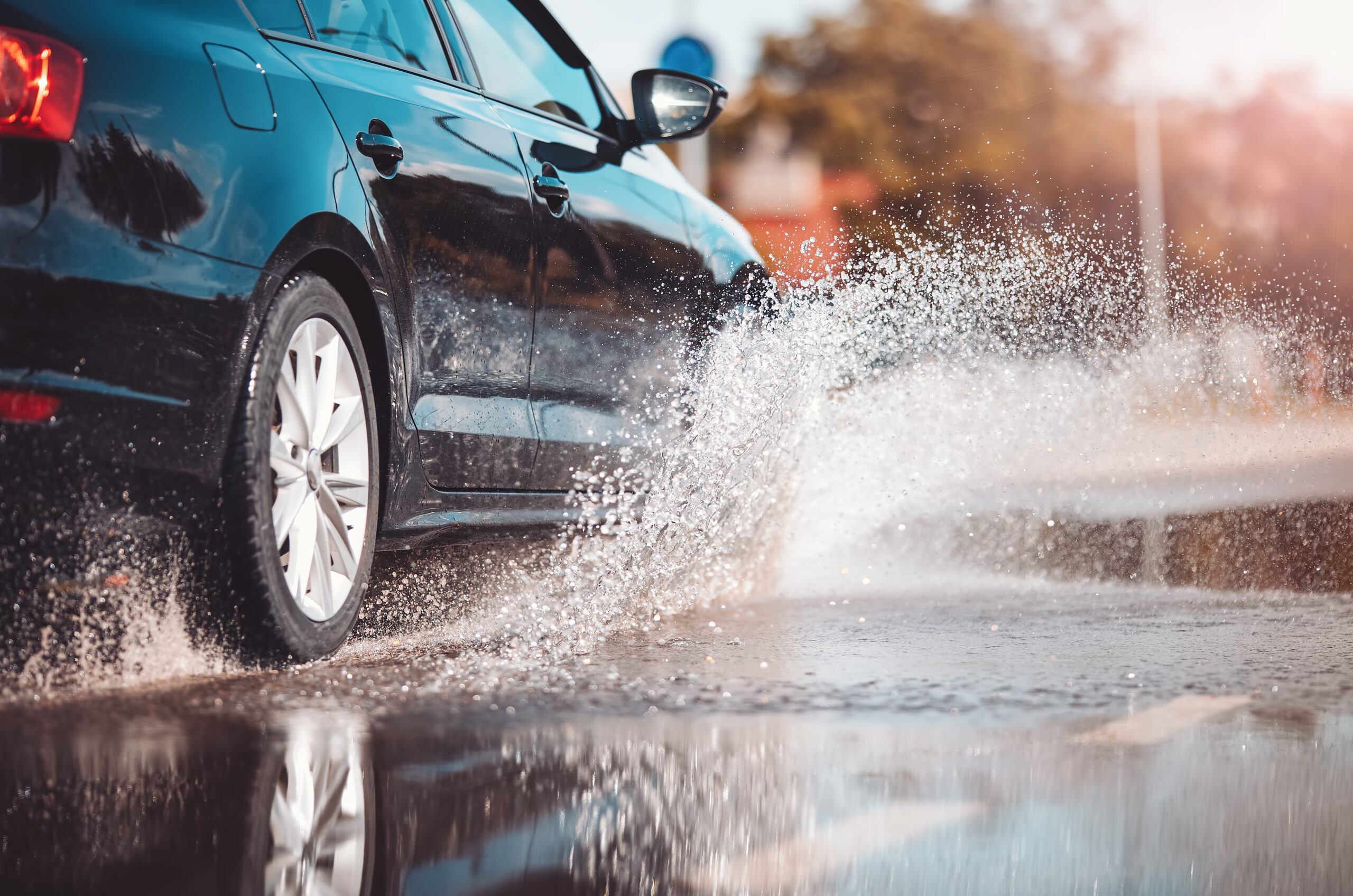
3. Watch for Puddles and Standing Water
Heavy rain can lead to standing water on roads, which poses a significant risk for motor vehicles. Drivers should avoid large puddles to prevent hydroplaning, where your tyres lose contact with the road surface. If you do hit standing water, ease off the accelerator and avoid making sudden movements with the steering wheel. For motorcyclists, puddles can hide deeper potholes, so approach them cautiously and try to avoid them if possible. Keep an eye on the road and ride at a moderate speed to reduce the impact of unexpected water hazards. It’s also worth mentioning that it is illegal to deliberately splash pedestrians – you could be fined, given penalty points, and summoned to court.
4. Brake Gently
Abrupt braking can cause your car or motorcycle to skid, especially on slick surfaces like wet or icy roads. Instead of slamming on the brakes, brake gently and progressively, allowing your vehicle to slow down gradually. For motorcyclists, use both brakes smoothly and evenly to maintain stability. For drivers, if your vehicle is equipped with anti-lock brakes (ABS), apply firm pressure, and let the system do the work—don’t pump the brakes.
5. Be Mindful of Black Ice
Black ice is a thin, nearly invisible layer of ice that can form in freezing conditions, particularly on bridges, overpasses, and shaded areas of the road. It often appears wet or dark, making it tricky to spot. If you suspect black ice, take extra precautions by driving or riding slowly and avoiding sudden movements. Motorcyclists should be especially careful, as even a small patch of black ice can lead to a dangerous slide. Stay alert and ride defensively during freezing temperatures.

6. Prepare for the Unexpected
In poor weather conditions, anything can happen—sudden gusts of wind, fallen branches, or other drivers losing control. Stay alert and be prepared to adjust to changing road conditions quickly. For motorcyclists, keeping your hands and feet warm and dry is critical to maintaining control of the bike. Consider investing in weather-appropriate gear, such as waterproof gloves and boots.
Make sure that you have good visibility, ensuring that windscreens and windows are completely de-misted before you start your journey. Drivers should ensure their windscreen wipers are functioning properly and consider carrying an emergency kit in case of breakdowns, including blankets, water, and non-perishable food. Additionally, for both drivers and riders, it’s a good idea to plan alternative routes in case road closures or detours arise due to severe weather.

7. Avoid Distractions
Poor weather demands your full attention. Distractions like using your phone, adjusting the radio, or eating while driving or riding can increase your risk of accidents in challenging conditions. Focus on the road and your surroundings. Keep both hands on the wheel or handlebars and concentrate on staying steady and alert.
8. Consider Delaying Your Trip
Sometimes, the best decision you can make is not to drive or ride at all. If the weather conditions are particularly severe, such as during a snowstorm or heavy rain with high winds, consider postponing your trip until conditions improve. If delaying isn’t an option, check weather reports and traffic updates before you head out, and let someone know your route and expected arrival time.
In Summary
Poor weather conditions can be treacherous, but with the right preparation and awareness, you can navigate them safely. Whether you’re driving a car or riding a motorcycle, always slow down, stay focused, and be cautious of the challenges the weather can bring. By following these road safety tips, you’ll be better equipped to handle whatever Mother Nature throws your way.
Stay safe out there, and remember: better to arrive late than not at all.