The Fatal 5 are the top five contributing factors of death and serious injury on the roads.
Given this severity, much of our work centres around The Fatal 5, which are:

The Fatal 5 are the top five contributing factors of death and serious injury on the roads.
Given this severity, much of our work centres around The Fatal 5, which are:

If you speed, you leave yourself less time to react to the conditions and obstacles you face while driving.
Speed limits are in place to keep you and others around you safe. If you are caught speeding the penalties vary depending on several factors, but may include:
Court summons – here you can face a substantial fine, penalty points or a driving ban depending on the speed you were travelling and how far over the speed limit you were going.
Try this free test on Speed Limits and Stopping Distances to check your knowledge.

The side effects of alcohol or drugs on your body include:
Impaired driving increases your chances of being involved in a collision significantly. If you are detected drink/drug driving, at court, you could be banned from driving for up to 12 months.
Driving under the influence of drugs or alcohol puts your life and the lives of others at risk.
We regularly campaign on anti-drink and drug driving to raise awareness and to promote behavioural change.
If you know of anyone who drives under the influence of alcohol or drugs, please speak to Crimestoppers anonymously.
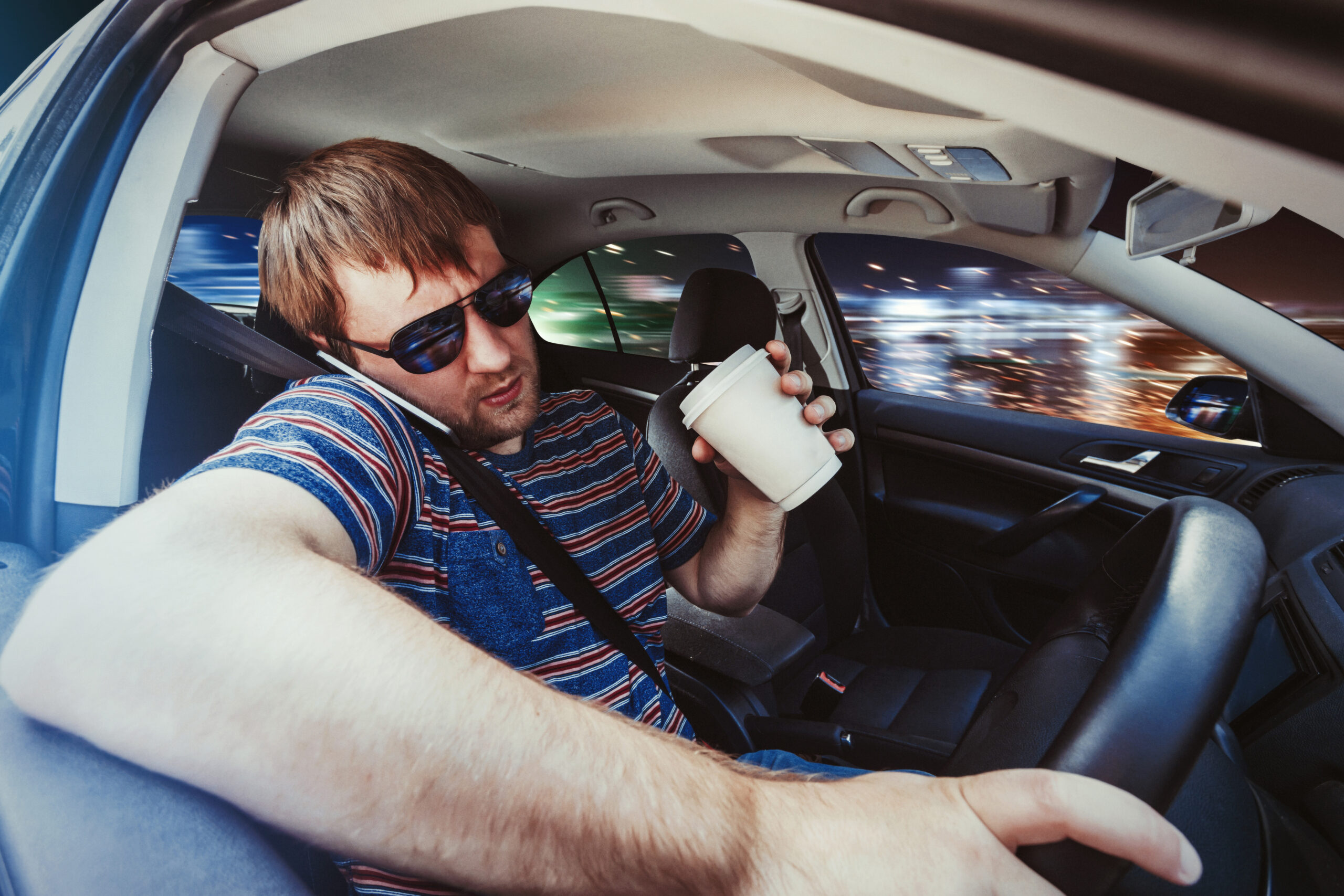
The offence of driving without due care and attention (careless driving) is committed when your driving falls below the minimum standard expected of a competent and careful driver, and includes driving without reasonable consideration for other road users.
Some examples of careless or inconsiderate driving are:

It’s illegal to use a handheld mobile phone while driving on UK roads.
Using a hands-free option can also incur penalties if your driving is deemed to be dangerous.
The police have the right to stop you if they think you’re distracted and not in control of your vehicle, and you can be prosecuted.
It’s also illegal to use your hand held mobile device if you’re:
There are very few exceptions to the law, such as:
It may not be illegal to operate hands-free mobile devices while driving your car, however, there is certain evidence to show that using a mobile device ‘hands-free’ causes drivers to become distracted even after a call is made. Our strong recommendation is that you keep all your focus on the road and avoid distractions whenever possible. Try the simulator to learn more about the effects of distracted driving.
You can receive six penalty points on your licence plus a £200 fine if you use a hand-held phone when driving.
If you receive six points within two years of passing your test – you will lose your full licence entitlement!
This means you’ll have to apply and pay for a new provisional licence and pass both theory and practical parts of the driving or riding test again to get a full licence.
You can receive three penalty points if you don’t have a full view of the road and traffic ahead or proper control of the vehicle.
You can also be taken to court where you can:
Another important thing to be aware of is that the more points you have on your licence the higher your insurance costs will be.


It’s a legal requirement in the UK to wear a seat belt if one is fitted, there are just a few exemptions.
In 2017, 27% – over a quarter – of those who died in cars on the road were not wearing seat belts.
Wearing a seat belt not only helps protect your safety, it helps protect the safety of others.
Only one person is allowed in each seat fitted with a seat belt. Never use the same seat belt across two or more passengers.
As a passenger over the age of 14 it’s your responsibility to ensure you’re wearing a seat belt. Failure to do so could result in a fine.
Children under 135 cm (4’4”) tall must be in the correct car seat for their height and weight.
You can be fined £500 if a child under 14 years old isn’t in the correct car seat, or, if over 135cm tall, wearing a seatbelt whilst you are driving.
For comprehensive information on car seat requirements please visit child car seats: the law.